
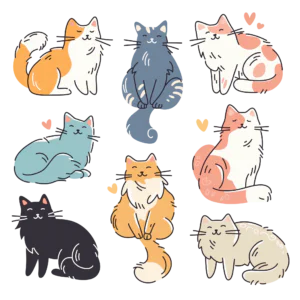
Whether you are a casual pet owner who loves curated cat doodles or an avid collector of high-resolution digital art, starting an art collection for your favorite animals is a joyful passion. However, once you download your fifth detailed illustration of a cozy kitten, a rustic deer, or a playful puppy, you’ll quickly face a common challenge: how do I keep all these files organized?
Improper storage leads to lost downloads, accidentally using low-resolution thumbnails, and worst of all, accidental deletion.
A proper organization system is not just about keeping your hard drive tidy; it is the professional way to preserve the quality of your digital art and streamline how you print and present it in your home. Here is a step-by-step best practices guide for managing your digital animal art collection.
1. Create a Secure Digital Archive
The cardinal rule of digital collection: never store your high-resolution masters on a single device. Your download links might expire, so your home computer is your primary archive.
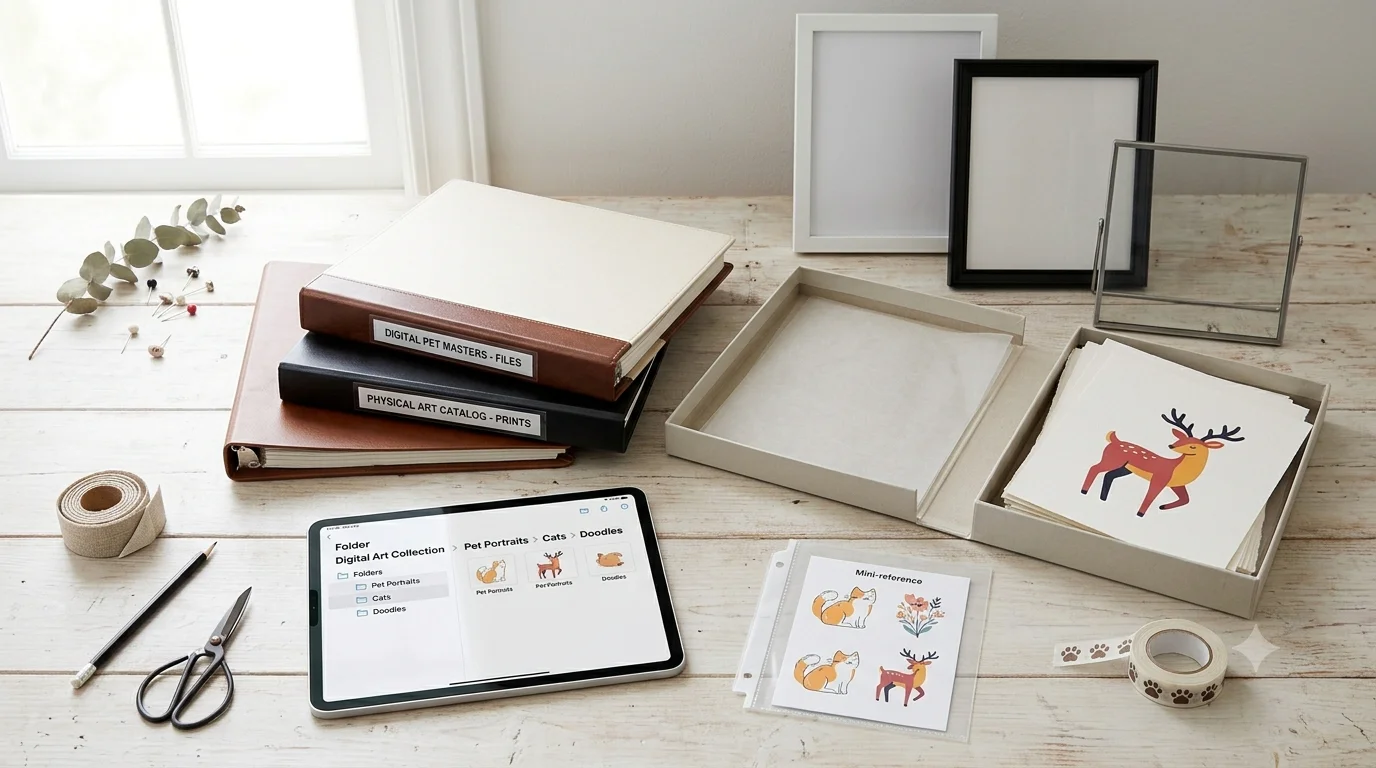
- Set Up a Main Folder System: Create a Master folder called “Digital Art Collection.” Inside, categorize by animal species (e.g., Cat Art, Dog Art, Miscellaneous Animals) or by aesthetic style (e.g., Watercolor Pet Portraits, Doodle Animals, Botanical Series).
- Double Back-Up: Copy your Master folder to an external hard drive AND sync it to a secure cloud service (like Google Drive, Dropbox, or OneDrive). This ensures your files are safe even if your laptop crashes.
2. Implement professional Naming Conventions
Don’t settle for default filenames like “image_01.png.” A smart naming system makes searching your collection effortless. Use a predictable format:
[AnimalType]-[Style]-[Resolution]_[SeriesName or Artist].png
- Example: Cat-Doodle-A4_Cozy-Set.png or Deer-Botanical-16x20_Set-01.png
3. Protect Your Physical Prints
Printing your art is the ultimate goal, but your physical copies also need care. Standard frame mounting is great for display, but what about seasonal rotation?
- Use an Art Storage Portfolio: Purchase a high-quality art portfolio binder with transparent, acid-free sleeves. Organize your physical prints inside by size or series. This protects your heavy watercolor paper from moisture, dust, and corner bending.
- Store Flat and Acid-Free: Never roll your high-quality cardstock prints. If you do not have a portfolio, store your prints completely flat between sheets of acid-free glassine paper or inside a sturdy map drawer.
4. Curate your Collection and Create an “Art Catalog”
Treat your printable art like a real art museum would. As your collection grows, create a small digital or physical “index catalog” of your owned pieces.
- Digital Index: A simple spreadsheet with the filename, animal type, where you downloaded it, and a quick description.
- Physical Reference Sheet: Print miniature versions of all your designs (A6 size) and place them in small binder sleeves. This serves as a quick visual reference when deciding which animal art piece to print next for a home gallery refresh.
Final Thoughts: Preserving the Joy of Art
A curated collection should be easy to access, not a digital mess. By dedicating a few hours to setting up a professional storage system, you guarantee that your beloved digital pets and whimsical animal illustrations are protected and ready to brighten up your home for years to come.



Leave a Reply